

Today, customers often search online before choosing a business.
They may want to know what you offer, where you're located, how to contact you, what your products look like, or whether other customers have worked with you before.
A social media page can help, but it doesn't always give your business a complete place to share everything customers need to know.
That's where a website can help.
A website gives your business a place customers can visit anytime to learn about your services, products, location, contact details, and more.
01 / Your Business Is Open Online 24/7
Your physical business may have fixed working hours.
Your website doesn't.
A customer can visit your website in the morning, evening, or even outside your business hours.
They can check:
- What your business does
- Your services
- Your products
- Your location
- Your contact details
- Your business information
Even when you're not available to answer a phone call, your website can provide basic information.
02 / Customers Can Find Important Information in One Place
Without a website, customers may have to search through different platforms to find information about your business.
One page might have your phone number.
Another might show your services.
Someone else may have posted your location.
A website brings important information together in one place. For example, your website can include:
About
Tell customers who you are and what your business does.
Services
Explain the services you provide.
Products
Show your products, features, or offerings.
Gallery
Show your work, products, space, or business.
Contact
Provide your phone number, email, location, enquiry form, or other contact options.
This makes it easier for customers to understand your business.
03 / A Website Makes Your Business Look More Professional
Your online presence creates an impression before a customer contacts you.
A well-designed website can help your business look more established and professional.
This doesn't mean your website needs complicated animations or hundreds of pages.
A simple website with:
- Clear information
- Good images
- Easy navigation
- Professional branding
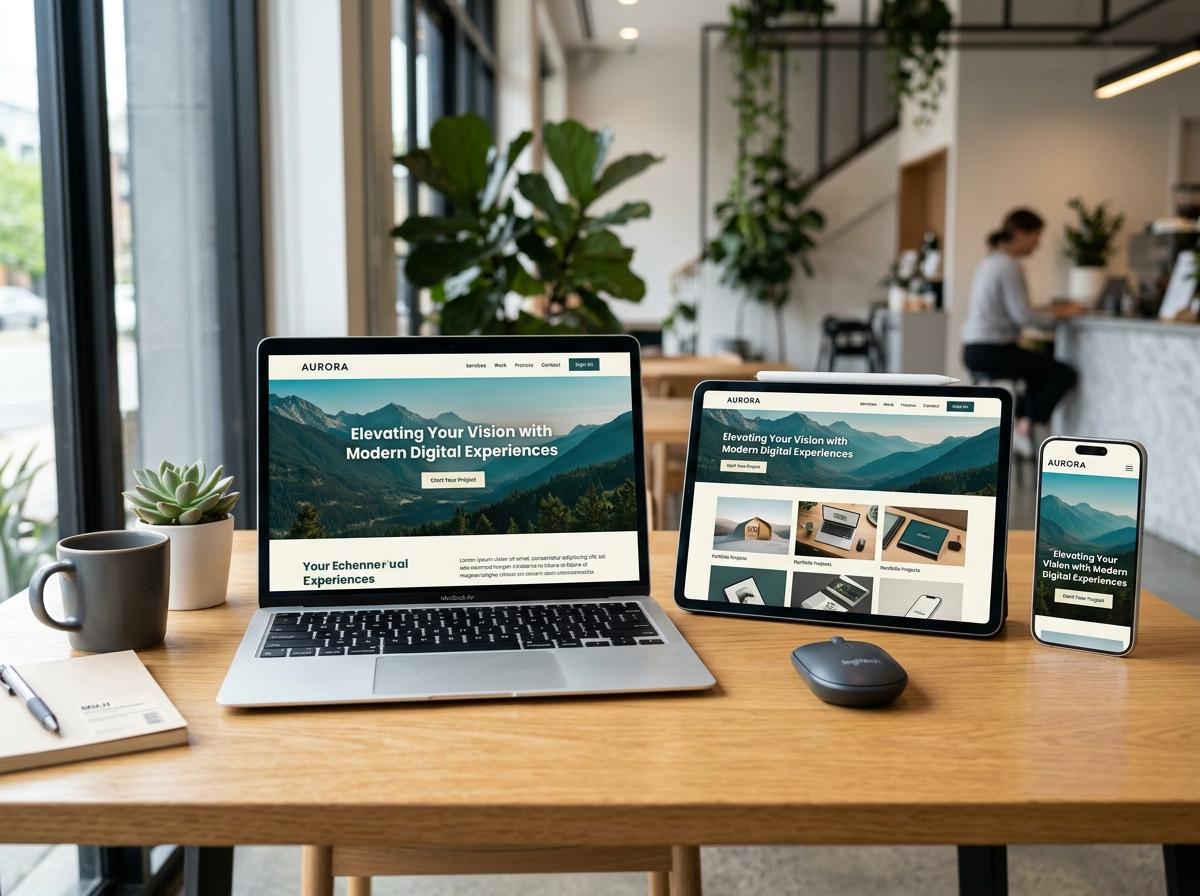
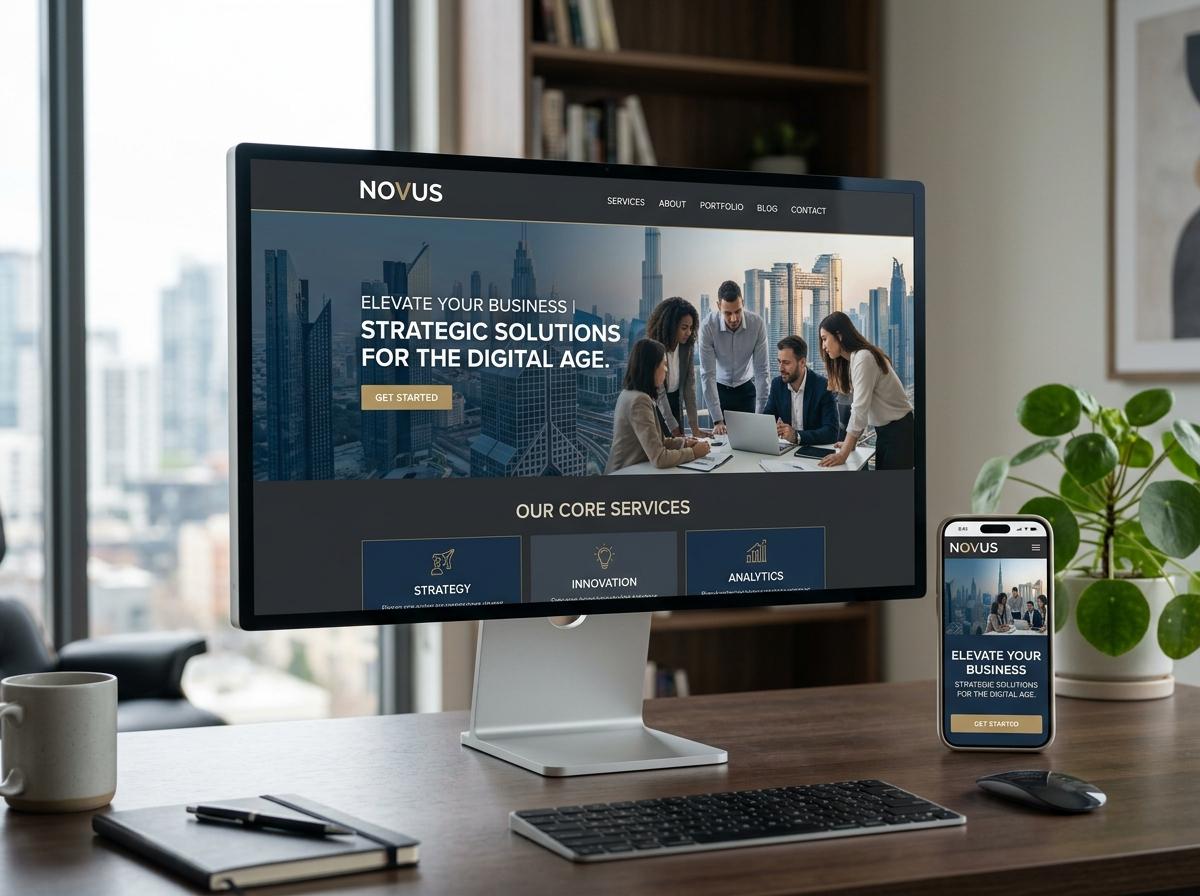
- Mobile-friendly design
- Clear contact options
can be enough to create a strong first impression.
04 / Your Website Belongs to Your Business
Social media platforms are useful, but your business is still operating on someone else's platform.
Your website gives you a space that is built specifically for your business.
You decide:
- What information to show
- How your brand looks
- Which services to highlight
- What customers see first
- How people contact you
- How your work is presented
Your website can grow and change as your business grows.
05 / It Helps Customers Understand What You Offer
Sometimes customers don't know everything about a business before contacting it.
A website can answer their basic questions before they make an enquiry. For example:
- What services do you provide?
- Where are you located?
- What products do you sell?
- Who are your services for?
- How can I contact you?
- Can I see your previous work?
The clearer your website is, the easier it becomes for customers to decide whether your business is right for them.
06 / A Website Can Help People Find You Through Search
People don't always search for a specific business name.
They may search for things like:
- "Website designer near me"
- "Best salon in [location]"
- "Home interior designer"
- "Digital marketing company"
- "Restaurant near me"
- "Dental clinic"
A properly structured website can help your business appear in relevant search results.
SEO is not an overnight process, but having useful website content gives search engines more information about your business and the services you provide.
07 / You Can Show Your Real Work
One of the best things about having a website is the ability to show customers what you actually do.
Depending on your business, you can showcase:
- Previous projects
- Products
- Services
- Customer testimonials
- Before-and-after work
- Case studies
- Photos
- Videos
For a service business, this can be especially useful.
Instead of simply saying "We provide quality service," you can show examples of your work.
08 / It Can Bring Customers From Different Platforms
Your customers may discover your business through different places.
For example:
- Instagram → Website
- Google → Website
- Facebook → Website
- Online Advertisement → Website
- Business Card → Website
Your website can become the central place where people go after discovering your business elsewhere.
You can also add your website link to your social media profiles, advertisements, email signatures, and printed materials.
09 / A Website Can Make Enquiries Easier
A good website should make it simple for customers to take the next step.
Depending on your business, this could be:
- Call Us
- WhatsApp Us
- Send an Enquiry
- Book an Appointment
- Get a Quote
- Visit Us
- Email Us
You don't need to make customers search for your contact information.
Make the next step clear and easy.
10 / You Don't Need a Huge Website
One common misconception is that every business needs a large website.
That's not true.
A small business may only need a few well-designed pages. For example:
Home
A quick introduction to the business.
About
Your business story and information.
Services
What you offer.
Work / Gallery
Examples of your work.
Contact
Phone, email, location, enquiry form, or other contact options.
The right website depends on what your business actually needs.
A simple, useful website is better than a large website filled with unnecessary information.
Website vs Social Media
Social media and websites don't have to compete with each other. They can work together.
| Website | Social Media |
|---|---|
| Detailed business information | Quick updates |
| Services and products | Regular content |
| Portfolio and work | Engagement |
| Contact information | Conversations |
| SEO and search visibility | Audience building |
| Your own business space | Platform-based presence |
Social media can help people discover and interact with your business.
Your website can give them a complete place to learn more and take action.
Does Every Business Need a Website?
For many businesses, having a website can be very useful.
It can be especially valuable if you want to:
- Build a professional online presence
- Show your services
- Generate enquiries
- Display your work
- Help customers find important information
- Improve your visibility in search
- Give customers a place to learn about your business
But the website should match the business.
A local service business may need a simple informative website.
An online store may need product pages and online payments.
A larger company may need a much more detailed website.
The important thing is to build something that serves a real purpose.
A Simple Website Checklist
Before launching your website, make sure customers can easily find:
- Your business name
- What you do
- Your services or products
- Your location
- Your phone number
- Your email or enquiry option
- Your working hours, if relevant
- Your social media links
- Examples of your work
- Customer reviews or testimonials, if available
And most importantly, make sure the website works properly on mobile phones, tablets, and desktops.
Final Thoughts
A website isn't just another online profile.
It can become the central place where customers learn about your business, explore your services, see your work, and decide whether to contact you.
You don't need a complicated website to get started.
You need a website that is clear, professional, useful, easy to navigate, and built around your customers.
If people are already searching for your business online, giving them a professional place to find you can make a big difference.

Thinking About a Website
for Your Business?

Whether you need a simple business website, service-based website, portfolio, or a more complete online presence, we can help you create something that works for your business.
Start Your Project